HOWO NX 6×4 Tractor Truck for Africa: 371 vs 400 vs 440 HP
For many African fleets, the HOWO TX is already a familiar name. It has been used for years in construction, regional transport, and long-distance haulage.
The HOWO NX takes a different position. It keeps the relatively straightforward powertrain and maintenance philosophy that operators value, while offering a more modern cab and a wider range of configurations for long-haul transport.
For fleet owners comparing the two, the question is usually not whether the NX can do the job. The more practical question is: which engine output — 371, 400, or 440 HP — best matches your routes and loads?
Why More African Fleets Are Considering the HOWO NX
The HOWO NX is increasingly being used for long-haul, port, and cross-border transport in African markets such as Tanzania.
Its appeal is relatively simple: it sits between traditional, cost-focused HOWO trucks and more expensive premium long-haul tractors.
For operators, that means a familiar heavy-duty drivetrain combined with improved driver comfort and a more modern cab.
The NX cab is available in H77L single-bunk and H78L double-bunk configurations. Depending on specification, features can include a four-point cab suspension, air-suspension driver’s seat, air conditioning, generous storage space, and a 700 mm wide sleeper berth.
These features matter more than they may appear on paper. On routes where a driver spends several days in the truck, lower vibration, effective air conditioning, better seating, and a proper sleeper can make a noticeable difference to fatigue and driver acceptance.
Three Popular Power Options for Different Haulage Conditions
1. HOWO NX 371 6×4 | 371 HP
A practical entry point for general freight and cost-focused fleets.
The 371 HP version is a straightforward choice for operators who do not need maximum power reserve.
This power level has a long history in HOWO applications, and configurations using mature WD/WP-series engines and HOWO manual transmissions are familiar to many mechanics and fleet operators across African markets.
For general cargo, grain, construction materials, containers, and normal highway transport, 371 HP can provide a good balance between purchase cost and operating capability.
Its main advantage is not that it is the most powerful truck in the range — it is that you are not paying for horsepower that your operation may rarely use.
Best suited for:
- General cargo transport
- Construction materials
- Grain and agricultural products
- Container transport
- Medium- and long-distance routes with moderate gradients
When should you consider more power?
If your trucks regularly operate close to their permitted gross combination weight, travel through mountainous areas, or frequently haul heavy machinery and bulk materials, additional power reserve can make daily operation easier.
In those cases, the 400 or 440 HP versions deserve closer consideration.
2. HOWO NX 400 6×4 | 400 HP
A balanced option for cross-border and long-distance logistics.
For many long-haul applications, 400 HP sits in a particularly useful middle ground.
Compared with the 371 HP version, the additional power gives the driver more reserve when accelerating with a heavy trailer or maintaining speed on long gradients.
That does not automatically mean lower fuel consumption in every situation. Actual fuel use depends heavily on gross weight, axle ratio, transmission specification, road conditions, driving speed, tires, and driver behavior.
However, on demanding routes, a correctly matched 400 HP powertrain may allow the engine to operate more comfortably instead of relying on frequent downshifts or sustained high engine load.
Consider typical regional routes such as Lusaka–Johannesburg or Nairobi–Kampala. Long-distance trucks face changing elevations, border delays, varied road surfaces, and frequent load changes.
In these conditions, adequate power reserve can help maintain more consistent operating speeds and reduce unnecessary gear changes.
Best suited for:
- Cross-border logistics
- Container haulage
- Long-distance general freight
- Fleets operating mixed flat and rolling terrain
- Operators looking for a balance between purchase cost and power reserve
For many conventional long-haul fleets, the 400 HP version is likely to be the most balanced specification in the NX range.
3. HOWO NX 440 | 440 HP
More power reserve for heavy haulage, mining routes, and mountainous terrain.
When operating conditions become heavier, additional horsepower and torque become more valuable.
A 440 HP configuration is better suited to operations where trucks regularly work with high gross combination weights or spend significant time climbing long gradients.
The benefit is not simply a higher maximum speed.
With sufficient torque available at lower engine speeds, the truck can handle heavy starts and climbing conditions with less dependence on aggressive throttle input and repeated downshifting.
That can make the truck easier to operate under demanding conditions and help keep the engine closer to its intended operating range.
Best suited for:
- Mining transport
- Heavy construction materials
- Cement and bulk cargo
- Heavy equipment transport
- Mountainous routes
- Highland operations
- Fleets regularly operating near permitted weight limits
If the truck spends most of its working life on relatively flat highways with normal cargo weights, 440 HP may provide more capacity than you actually need.
But for demanding heavy-haul applications, the additional power reserve can be worthwhile.
Configuration note: 440 HP HOWO NX tractors are available in different drivetrain specifications depending on market and model. Always confirm the exact engine, axle configuration, transmission, and GCW requirement before ordering.
Key Advantages of the HOWO NX for African Operations
1. Mature Powertrain with Multiple Engine Options
Depending on market and specification, HOWO NX trucks can use engines from the Weichai WP series as well as SINOTRUK WD and MC series.
They are commonly paired with SINOTRUK HW-series heavy-duty manual transmissions.
For African fleets, the important point is not simply the engine brand. The complete configuration should be selected according to local fuel quality, emission requirements, gross vehicle weight, road conditions, and available maintenance support.
For markets where fuel quality and workshop capability vary significantly, choosing the correct emission level and fuel system can be just as important as choosing horsepower.
2. Chassis Designed for Heavy-Duty Transport
The NX uses a heavy-duty ladder-frame chassis together with reinforced suspension and axle configurations suitable for commercial haulage.
Its MC-series drive axles and V-series steering axles use technology derived from established European heavy-truck designs, with an emphasis on transmission efficiency, load capacity, cooling, and durability.
Suspension specifications can also be selected according to the application.
A truck running containers on paved highways does not necessarily need the same suspension configuration as one pulling heavy loads on mining or construction roads.
3. Better Cab Comfort for Long-Distance Drivers
Driver comfort is one of the clearest differences operators notice when moving from older HOWO platforms to the NX.
Depending on configuration, NX cabs can include:
- H77L single-bunk or H78L double-bunk layout
- Four-point cab suspension
- Air-suspension driver’s seat
- Air conditioning
- Multifunction steering wheel
- Large storage areas
- Approximately 700 mm wide sleeper berth
For long-distance African transport, these are practical features rather than cosmetic upgrades.
Drivers may spend several days on the road, often working in high temperatures and on uneven road surfaces. A comfortable seat, effective cab suspension, good air conditioning, and sufficient sleeping space can directly affect driver fatigue and willingness to stay with a fleet.
4. Flexible Trailer Matching
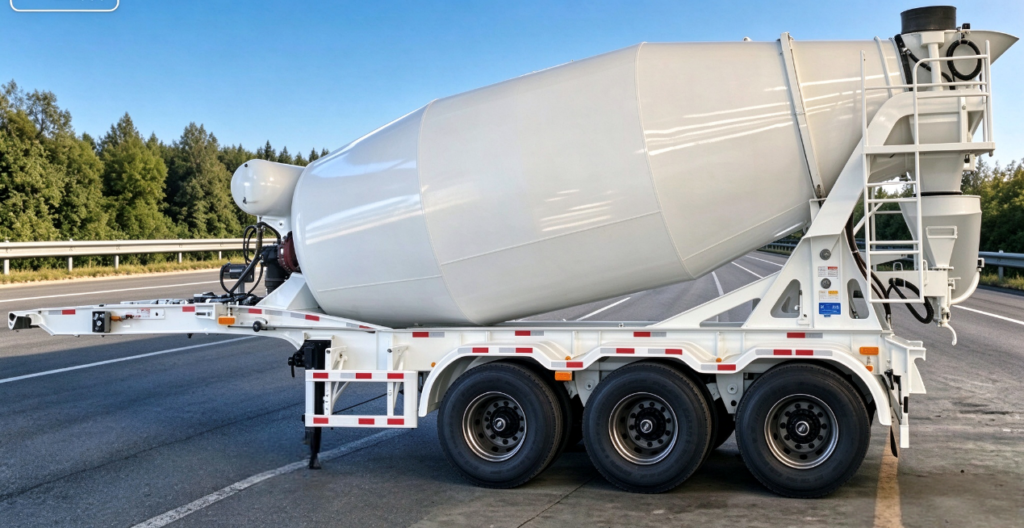
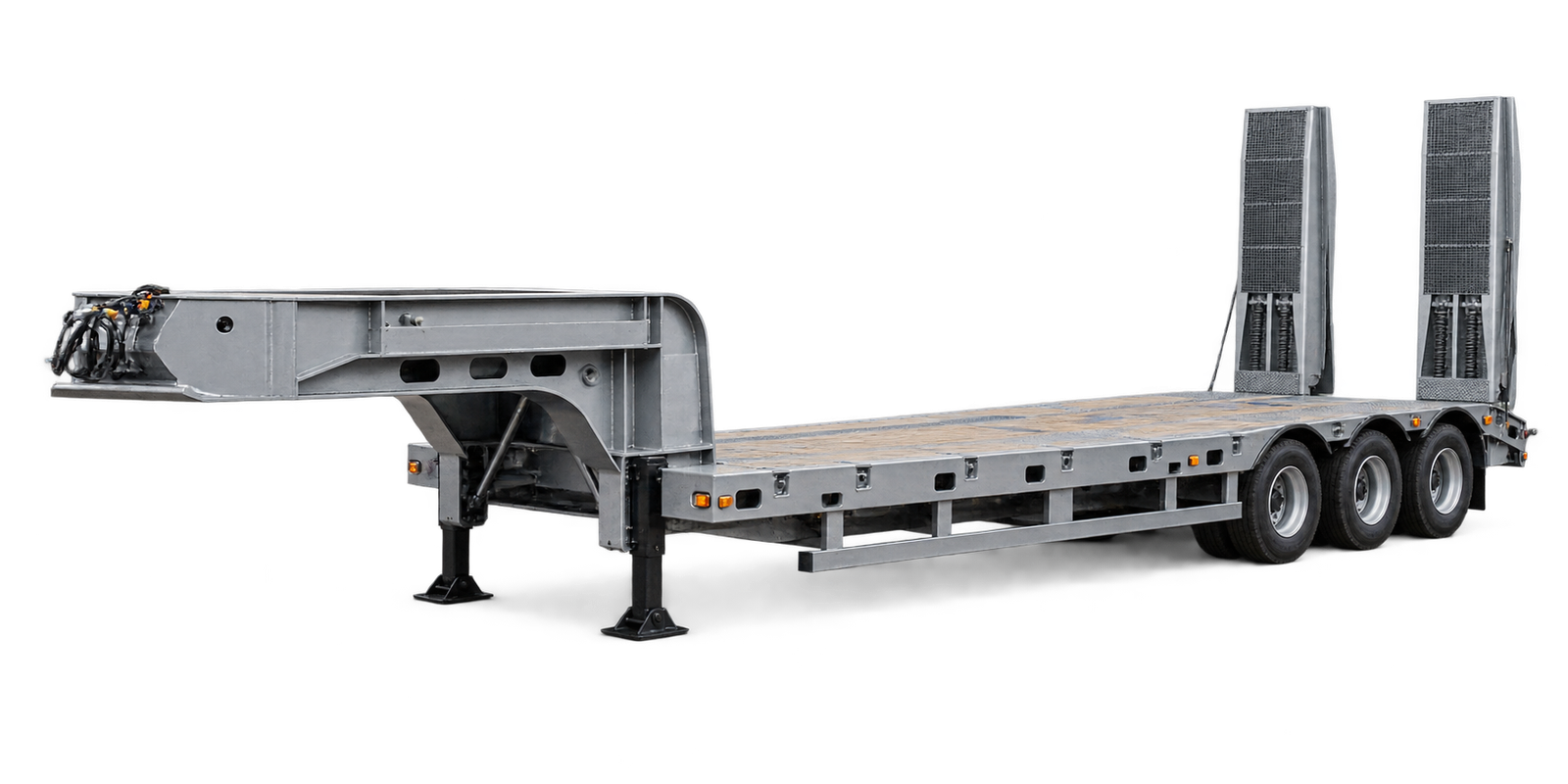
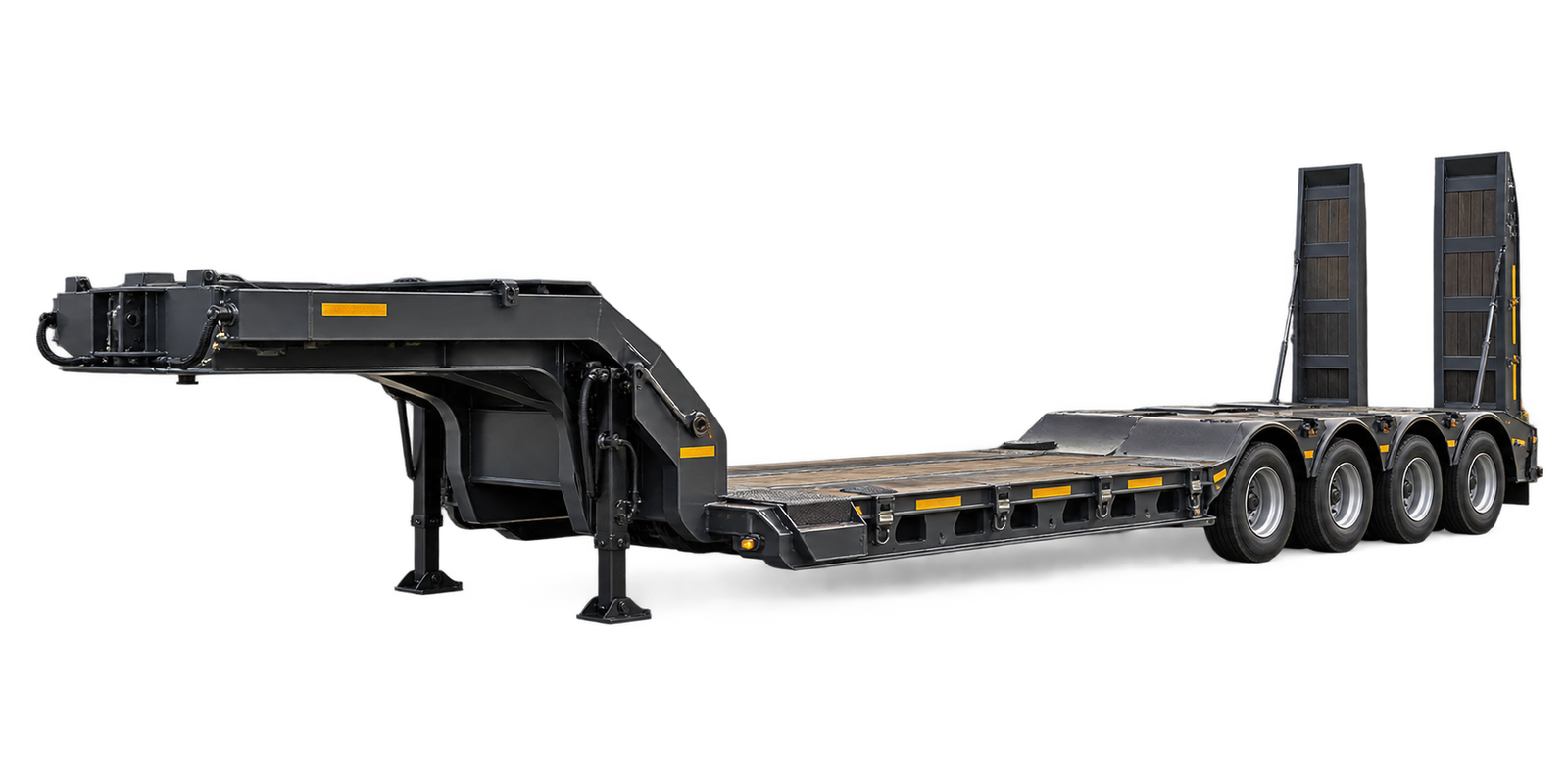
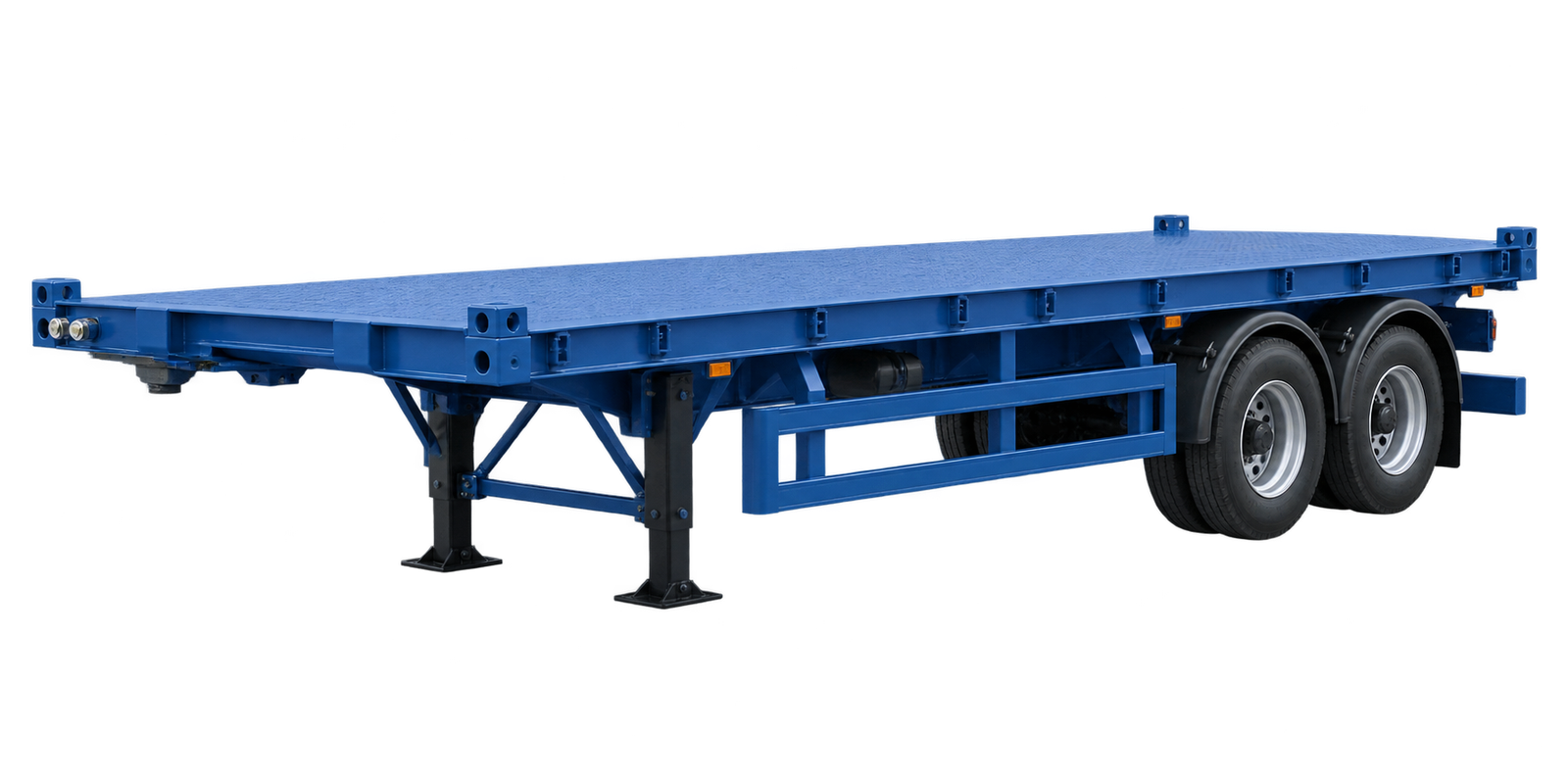
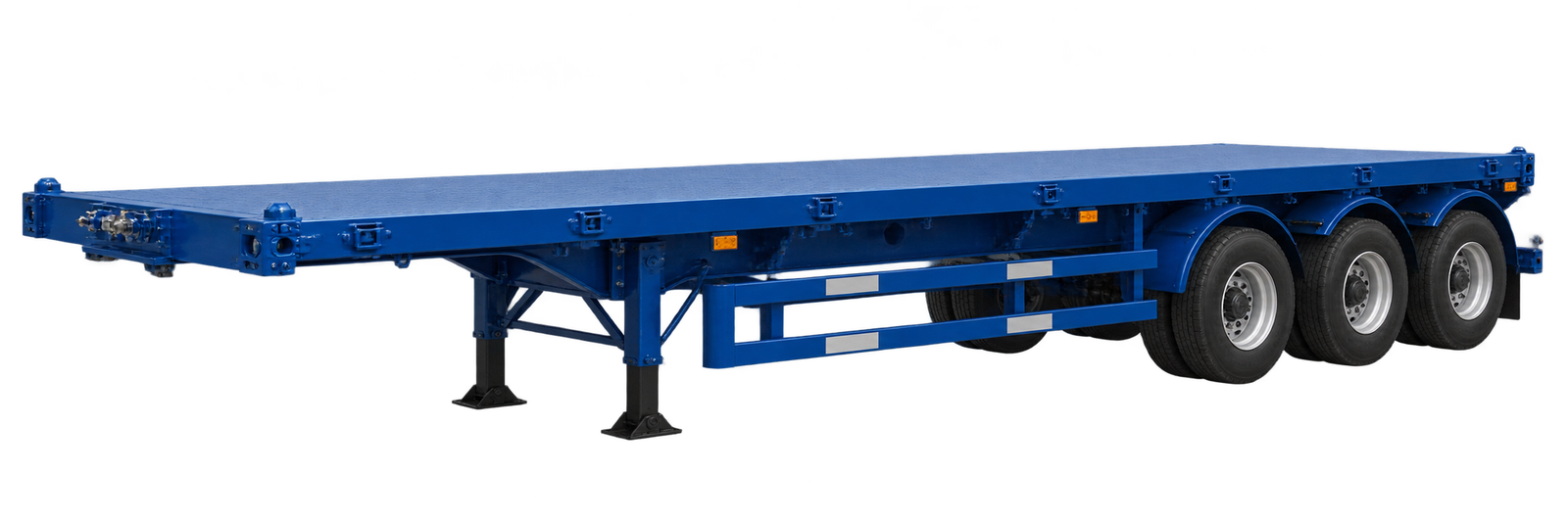
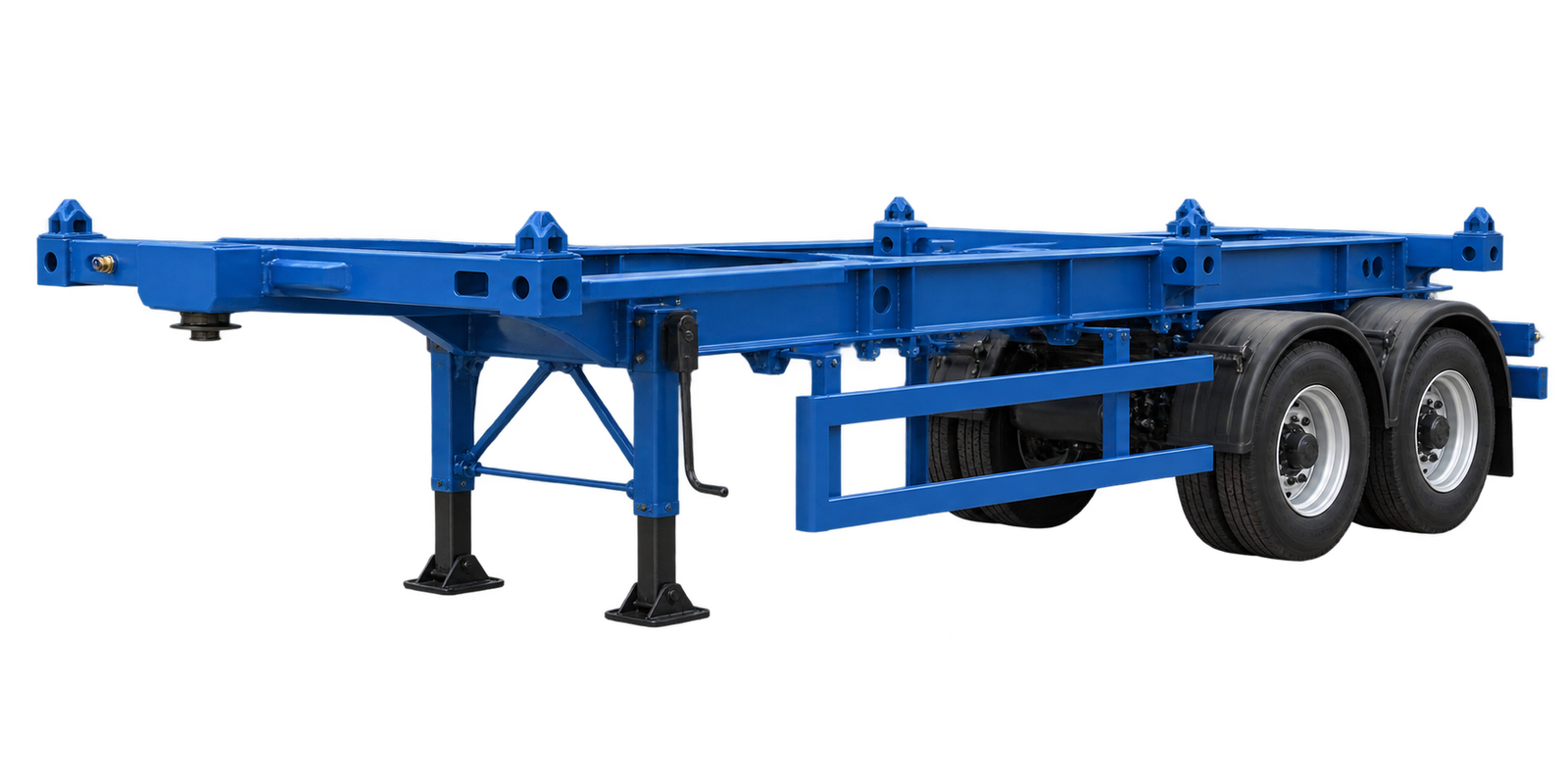
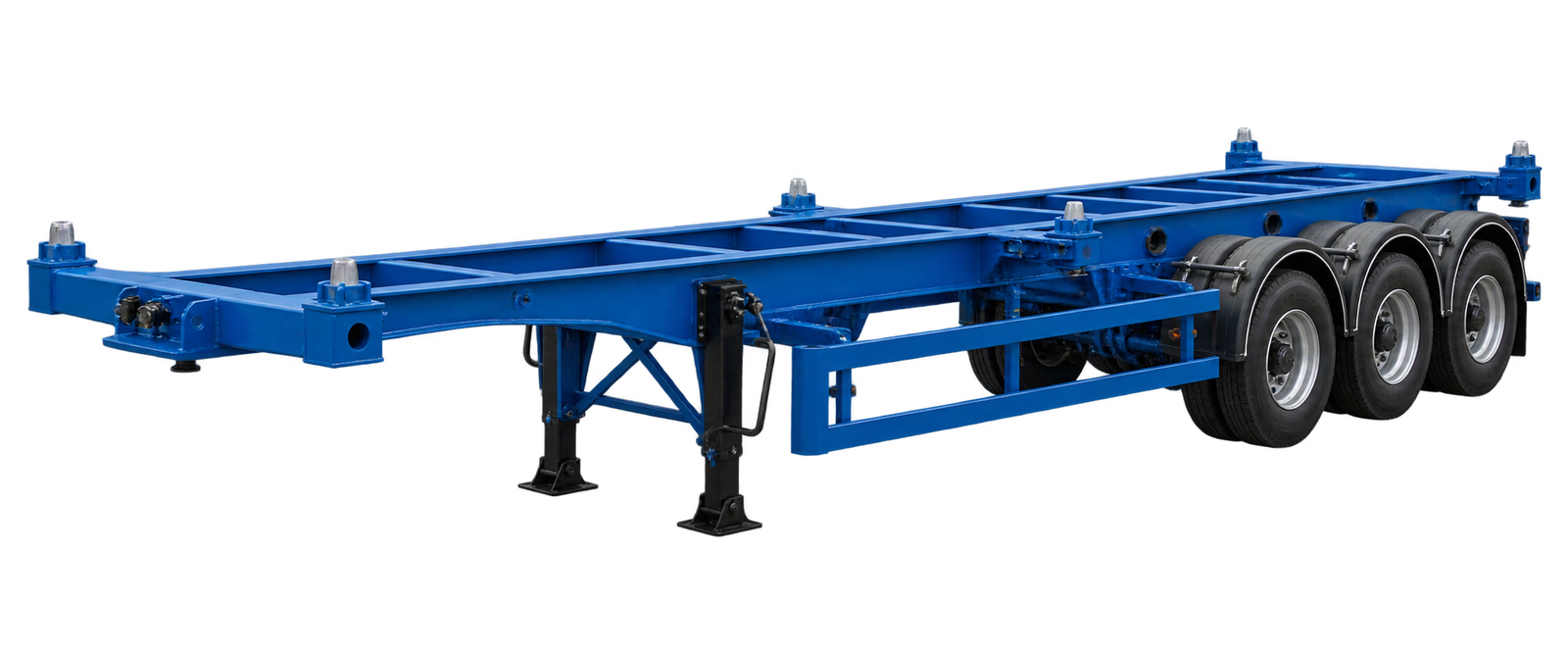
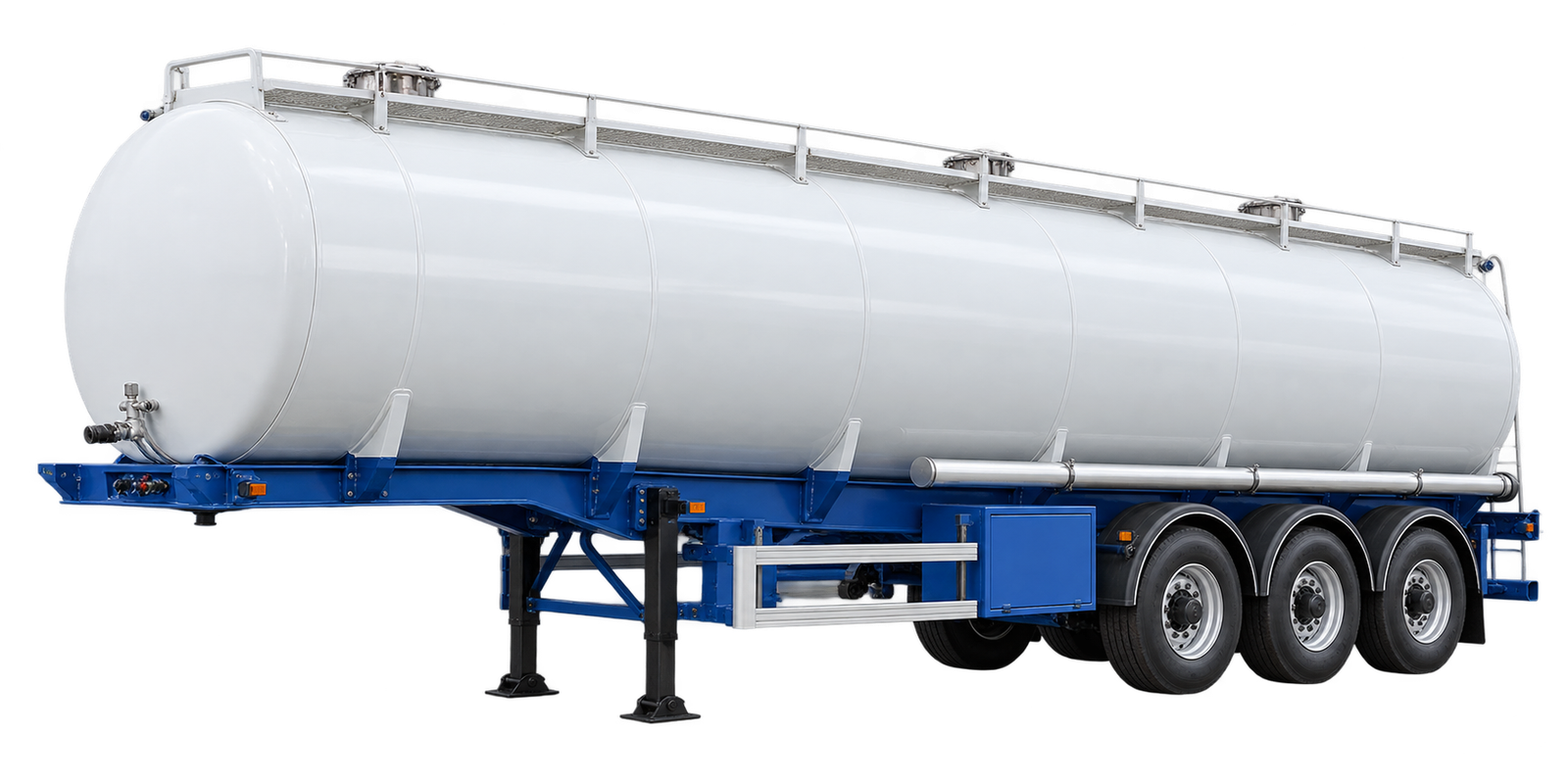
The HOWO NX can be configured for use with many common semi-trailer types, including:
- Flatbed semi-trailers
- Container skeletal trailers
- Sidewall trailers
- Fence trailers
- Low-bed trailers
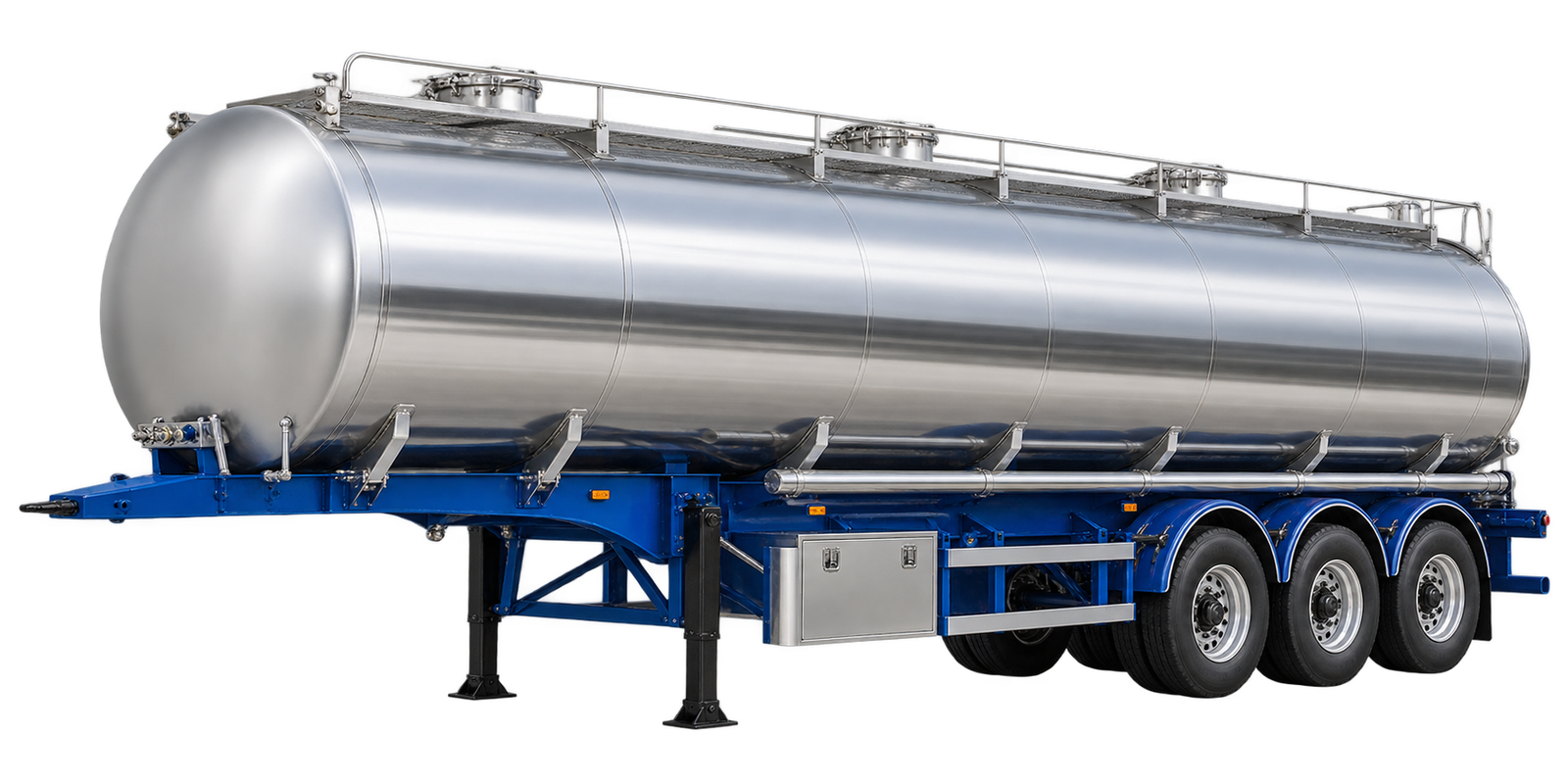
- Tanker trailers
However, trailer compatibility should never be assumed from the model name alone.
Before ordering, the fifth-wheel height, kingpin size, axle load, GCW, air and electrical connections, tire size, and trailer operating height should all be checked against the customer’s existing equipment.
This is particularly important when adding new tractors to an existing fleet.
371 vs 400 vs 440 HP: Which HOWO NX Should You Choose?
There is no single horsepower specification that is best for every fleet.
The right choice depends on what the truck will actually do every day.
Choose 371 HP if purchase cost is a major consideration and the truck will mainly carry normal freight on relatively moderate routes.
Choose 400 HP if the truck will spend most of its time on long-distance or cross-border routes and you want more power reserve without moving directly to the highest-output specification.
Choose 440 HP if the truck will regularly operate with heavy loads, on mining roads, mountainous routes, or in other demanding conditions where additional torque and power reserve are useful.
Horsepower should also be considered together with the engine model, gearbox, rear-axle ratio, tire size, GCW, emission standard, and road conditions.
A well-matched 400 HP truck can be a better investment than a poorly specified 440 HP truck.
Get the Right HOWO NX Specification for Your Route
HOWO NX tractors can be configured for different African markets, operating conditions, and trailer combinations.
Before choosing between 371, 400, and 440 HP, tell us:
- Your destination country
- Main cargo
- Typical load or GCW
- Main transport route
- Trailer type
- Road conditions
- Required emission standard
- Left-hand or right-hand drive
We can then recommend a more appropriate engine, transmission, axle ratio, fuel tank, tire, and fifth-wheel configuration for your operation.
For detailed specifications, pricing, and delivery information, visit the corresponding HOWO NX product page or contact our sales team.